Blog

  • Mysuru adds three elephants to Dasara procession lineup

    Mysuru adds three elephants to Dasara procession lineup

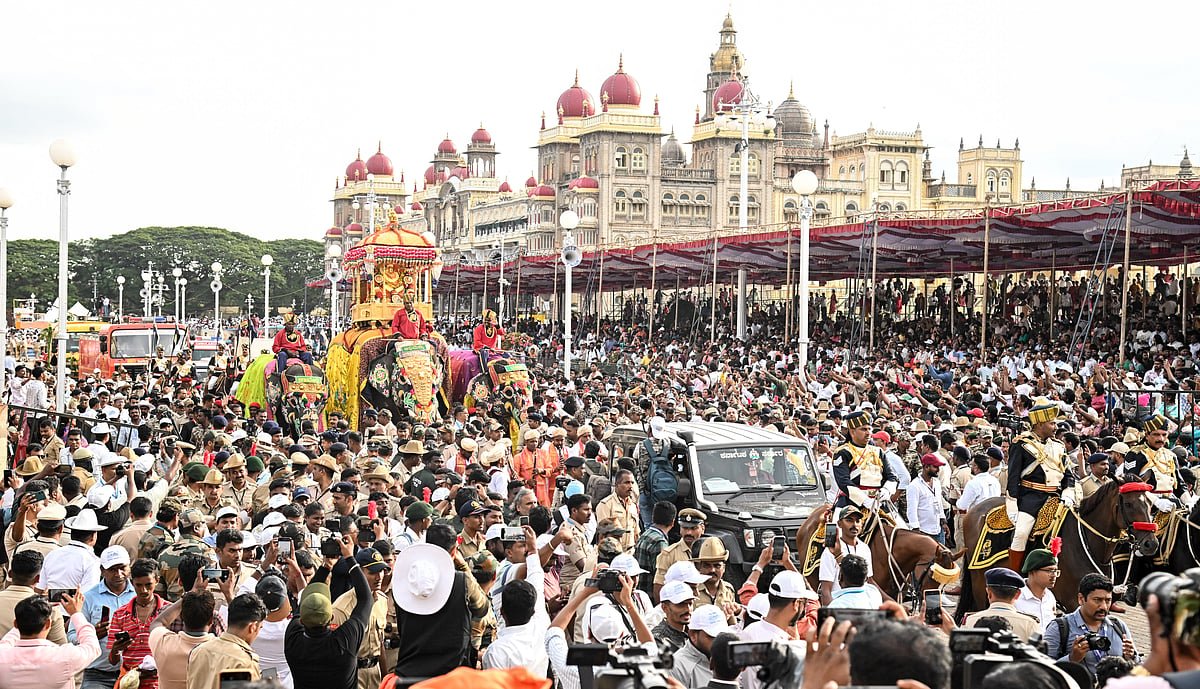
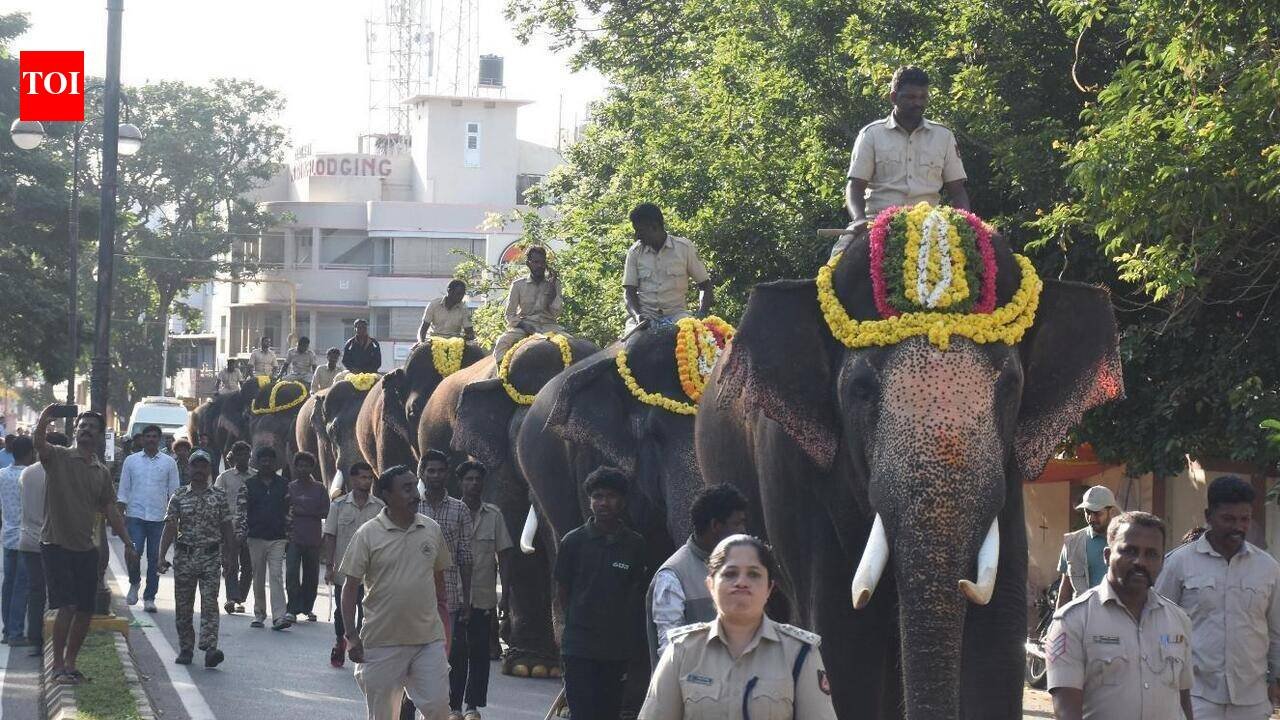
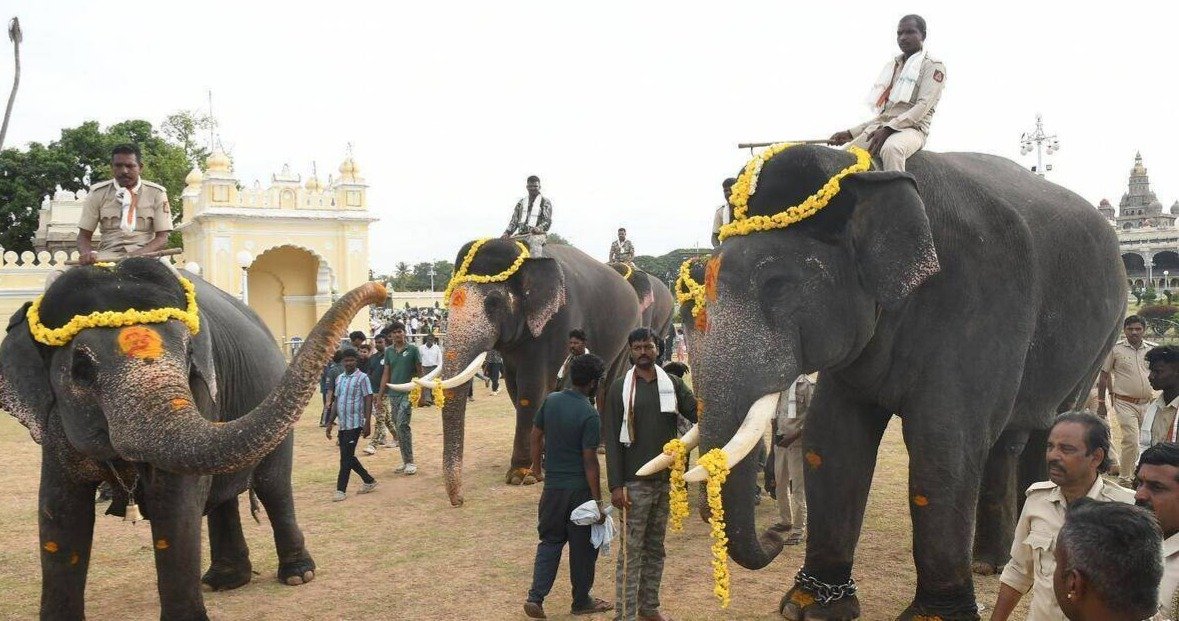
    Three elephants – Sugreeva, 44, from Dubare Elephant Camp; Roopa, 50, from Dodda Have Camp; and Chaitra, 55, from Rampura Camp – were formally welcomed at Mysuru Palace on Sunday, joining nine others that arrived on Aug 28, bringing the Dasara procession herd to twelve.

    Following a day’s rest, the herd will commence rehearsals on Sept 15, walking the designated procession route twice daily to become accustomed to the sounds, crowds and activities of the festival. They are also being placed on a special diet to increase weight and strength for the demanding duties. DCF (wildlife) IG Prabhu Gouda told reporters that the elephants will not practice on Sunday and Monday, but all will begin practice together on Tuesday.

  • Invasive Senna Tree Overruns Western Ghats, State Plans Eradication

    Invasive Senna Tree Overruns Western Ghats, State Plans Eradication

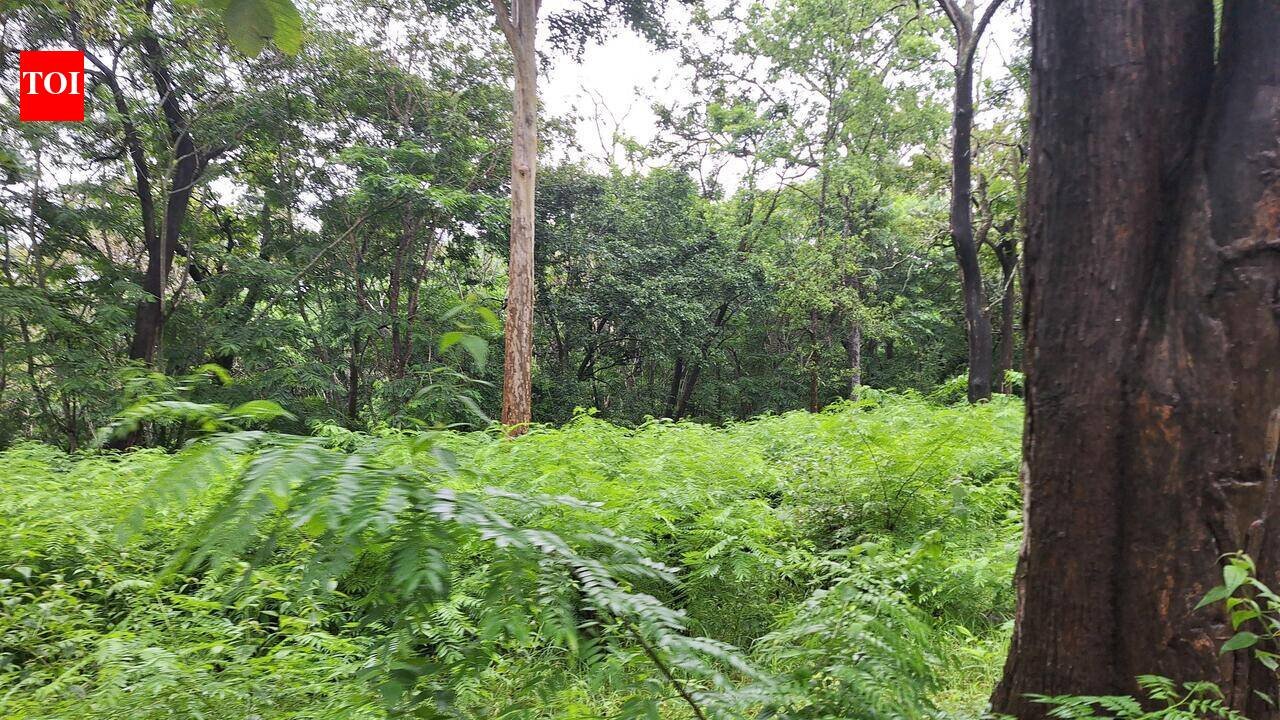
    Senna spectabilis, an exotic fast‑growing tree, now covers over 40% of Karnataka’s Nagarahole National Park, threatening native vegetation and wildlife in the Western Ghats. The forest department, together with the Indian Institute of Wood Science and Technology, is drafting a protocol for eradication, warning that unchecked spread could alter the region’s ecology unless removal and habitat‑restoration measures are implemented.

    The invasion marks another phase in the region’s long battle against invasive plants such as Parthenium, Eupatorium and Lantana, and is deemed especially hard to manage because the species grows rapidly and remains green even during the dry summer months.

    Originating from Kerala, Senna spectabilis has spread into Karnataka and now dominates large stretches of Nagarahole and Bandipur National Parks as well as adjoining forests in Tamil Nadu and Kerala. In Nagarahole, which spans about 842 sq km, dense growth of the tree suppresses native grasses and other vegetation, hindering natural regeneration.

    Experts are particularly worried about the impact on grasslands and bamboo habitats, both crucial to the forest ecosystem, and note that herbivores generally do not feed on its leaves, further limiting its ecological value as a food source.

    Principal Chief Conservator of Forests (Wildlife) Kumar Pushkar said, “The rapid proliferation of Senna spectabilis in Nagarahole and Bandipur has become a critical ecological threat comparable to the earlier spread of Lantana camara.” He added that scientific intervention is essential because improper removal could trigger even denser regrowth.

    Pushkar explained that the central challenge lies in the species’ high coppicing ability and resilient root system, stating that simply cutting the trees down results in vigorous regeneration from the remaining roots. Trials near Murkal in Nagarahole showed that cut patches regenerated more densely, leading him to stress that complete removal of the root system is essential for effective eradication.

    The tree spreads rapidly through seeds dispersed by wind and water and can also regenerate from its roots. Consequently, experts recommend continuous monitoring and repeated clearing operations for at least five years after removal.

    Forest authorities and NGOs have already undertaken small‑scale removal and habitat‑restoration efforts at DB Kuppe, Antharasanthe, Nagarahole, Veeranahosahalli and Hunagund.

    Karnataka is also exploring the Tamil Nadu model of supplying harvested Senna wood to paper mills, with West Coast Paper Mills expressing interest.

    A Wayanad‑based NGO has been assigned a trial plot in Nagarahole for manual uprooting of the species, although officials describe the method as highly labour‑intensive.
  • Mysuru Farmers Face Shortfall in Night‑Time Emergency Veterinary Care

    Mysuru Farmers Face Shortfall in Night‑Time Emergency Veterinary Care

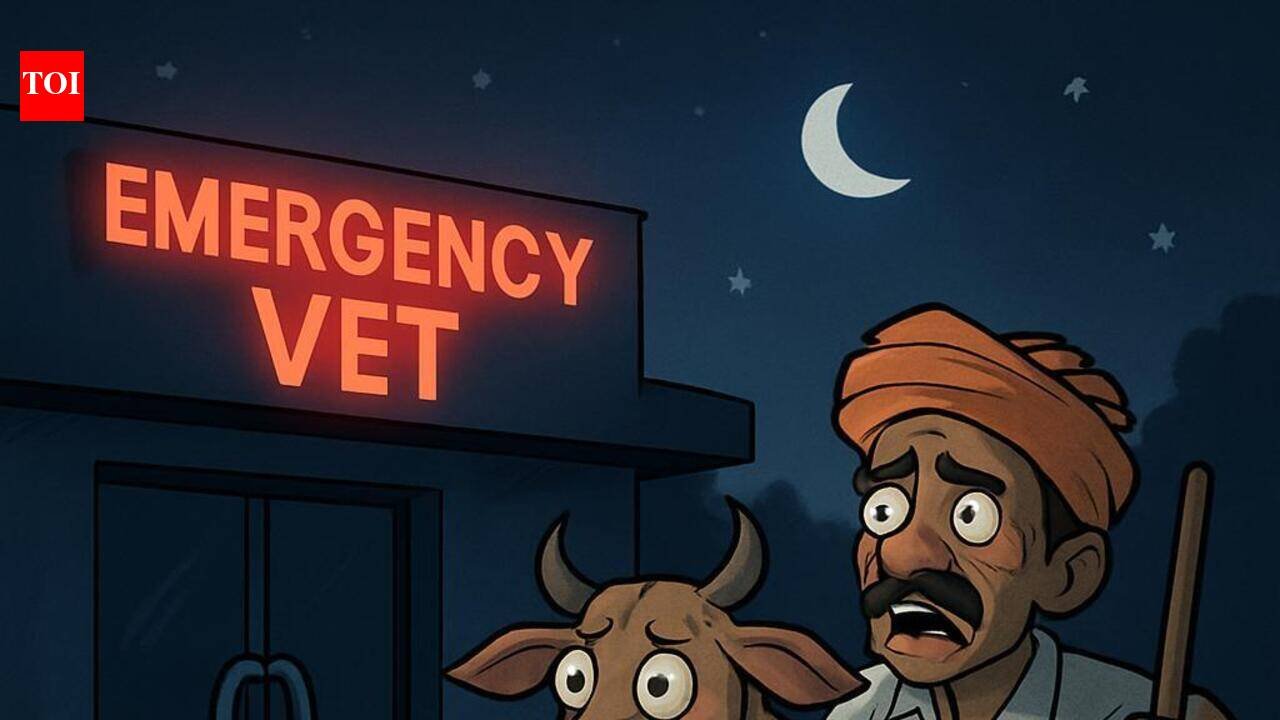
    Mysuru, home to almost nine lakh cattle and livestock, urgently requires more veterinary services after dark, especially for remote and border villages in Sargur and HD Kote taluks. Ten mobile veterinary units currently operate district‑wide, offering doorstep emergency aid via the 1962 helpline, but only from 9 am to 5 pm.

    Farmers’ representatives Hosur Kumar and P Marankaiah say that ryots in those remote and border areas are left without assistance during night hours.

    JD(S) MLC C N Manjegowda raised the concern in the Assembly, asking whether the government has acknowledged the difficulty of handling night‑time emergency veterinary cases given the 5 pm cut‑off.

    Animal Husbandry Minister C Puttarangashetty replied that the state had submitted a proposal to the Union government in February 2025 to run the existing 275 units in two shifts—6 am to 2 pm and 2 pm to 10 pm—and to add 125 more vehicles for better coverage, but the Centre rejected the request.

    The minister noted that the mobile units treated 1,434 animals in March and 1,388 in April 2026, averaging roughly 50 animals per day.

    Deputy Director of Animal Husbandry and Veterinary Services N M Siddaramu confirmed the ten units under the 1962 helpline and added that each taluk also has its own mobile units on fixed routes, though providing doorstep service in the larger Sargur and HD Kote taluks remains challenging.

  • KRS Reservoir Level Drops, Sparking Drinking‑Water Concerns for Mysuru, Mandya and Bengaluru

    KRS Reservoir Level Drops, Sparking Drinking‑Water Concerns for Mysuru, Mandya and Bengaluru

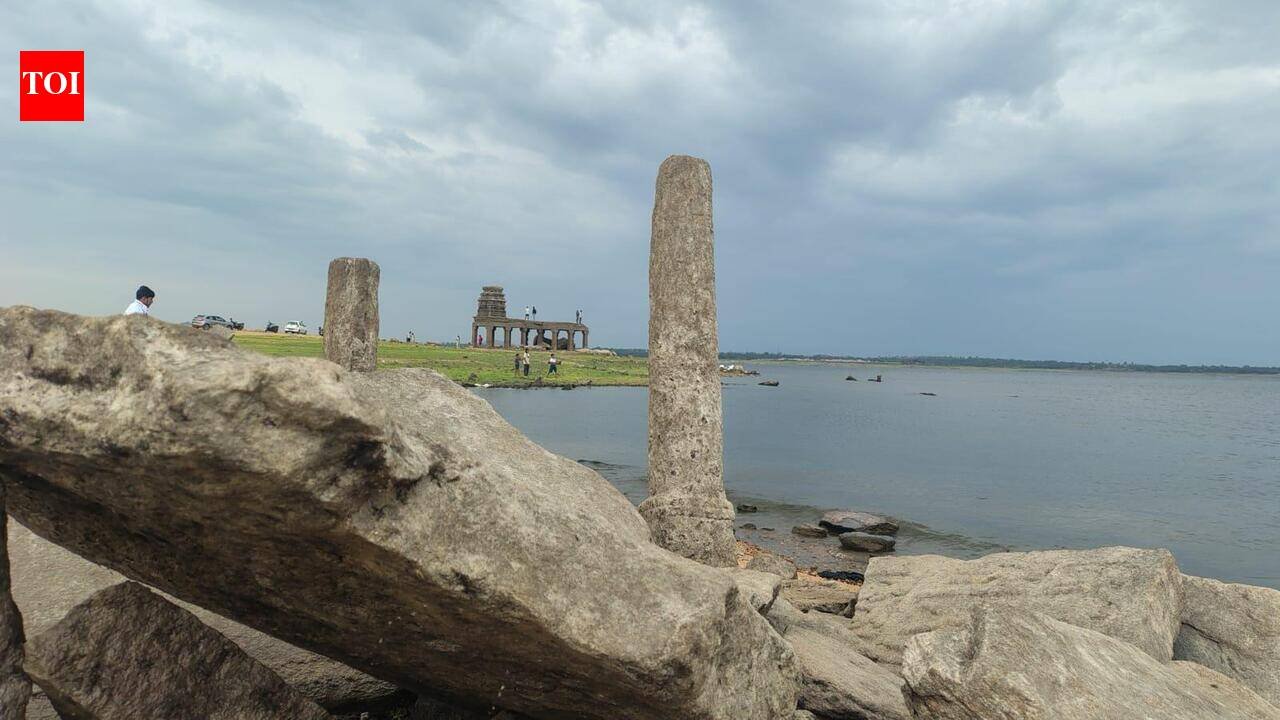
    The Krishna Raja Sagar (KRS) reservoir’s water level fell about five feet over the past eight days, reaching 106.5 ft on Tuesday with an inflow of 2,289 cusecs and an outflow of 4,073 cusecs, prompting worries that Mysuru, Mandya and Bengaluru could face drinking‑water shortages if Cauvery inflows do not improve and Karnataka must keep releasing 6,000 cusecs to Tamil Nadu for another 15 days.

    K Raghuram, superintendent engineer of Cauvery Neeravari Nigam Limited (CNNL), said roughly 2.5 tmc of water is needed each month for drinking purposes and that water can be drawn from KRS until the level falls to 65 ft; he added the state government has not ordered dam authorities to release water to Tamil Nadu.

    Farmers and Kannada organisations protested on the old Bengaluru‑Mysuru highway in Mandya against the Cauvery Water Regulation Committee’s (CWRC) order to release 6,000 cusecs daily to Tamil Nadu for another 15 days, calling the directive unscientific and urging priority for Karnataka’s drinking‑water needs.

    To help sustain KRS, outflows from the Hemavathi reservoir in Hassan district have been increased; Hemavathi joins the Cauvery at Sangama in KR Pet taluk before entering KRS, a step aimed at meeting Cauvery release obligations as the Kabini reservoir in HD Kote approaches depletion.

    Kabini had provided relief in August after heavy rainfall in its Wayanad catchment, allowing surplus water to flow into Tamil Nadu for nearly three weeks, but its storage has since fallen sharply.

    Overall storage in Karnataka’s four major Cauvery‑basin reservoirs has dropped to 72.5 tmc, about 63 % of their combined capacity of 114.5 tmc, versus 113 tmc on the same date last year.

    On Tuesday, Kabini recorded an inflow of 1,751 cusecs and an outflow of 1,441 cusecs; Hemavathi received 3,414 cusecs and released 9,150 cusecs; Harangi logged an inflow of 833 cusecs and an outflow of 1,700 cusecs. Collectively, the four reservoirs took in 8,287 cusecs and released 16,364 cusecs, resulting in a net drawdown in storage.

  • Navadurga Doll Exhibition and Heritage Activities Planned for Mysore Dasara Festival

    Navadurga Doll Exhibition and Heritage Activities Planned for Mysore Dasara Festival

    From November 11 to 21, the Archaeology Museum and Heritage Department area inside the Dasara exhibition grounds at Dodda Kere Maidan in Mysuru will host a special Navadurga doll display, a first‑time attraction aimed at drawing tourists to the state’s Dasara celebrations.

    The department has decided to arrange five rows of dolls that portray the avatars of Navadurga in the Varanda, following the traditional practice of setting up dolls on an odd number of tiers, with each avatar’s dolls selected by officials.

    The nine avatars to be represented are Shailaputri, Brahmacharini, Chandraghanta, Kushmanda, Skandamata, Katyayani, Kalaratri, Mahagauri and Siddhidatri.

    Deputy Director (Heritage) C.N. Manjula told journalists that the department will also showcase Navadurga dolls as part of the Navaratri doll‑arranging tradition.

    During the house‑to‑house outreach, doll arrangers will visit 10 to 15 homes and award prizes; the top three awards are Rs 5,000, Rs 3,000 and Rs 2,000. Applications will be invited, and visits to view dolls will take place from the 11th to the 14th.

    To raise tourist awareness of Mysore’s heritage, historic sites and traditional architecture, organizers will hold traditional bicycle rides, heritage walks and other programmes, with history experts providing site information. A tanga ride will be arranged for couples dressed in Mysore peta, panche and Mysore silk saree.

    A “Selfie with Heritage Building” photo competition is being launched to attract youth and Gen‑Z participants; applications are invited and three winners will receive prizes for the best heritage‑themed selfies.

    Manjula, Deputy Director of the Heritage Department, said that a range of events has been organized during Dasara to effectively showcase Mysore’s cultural legacy.

  • Contract Labourer Succumbs After Falling into Hot Water Pit at Mysore Sugar Plant, Mandya

    Contract Labourer Succumbs After Falling into Hot Water Pit at Mysore Sugar Plant, Mandya

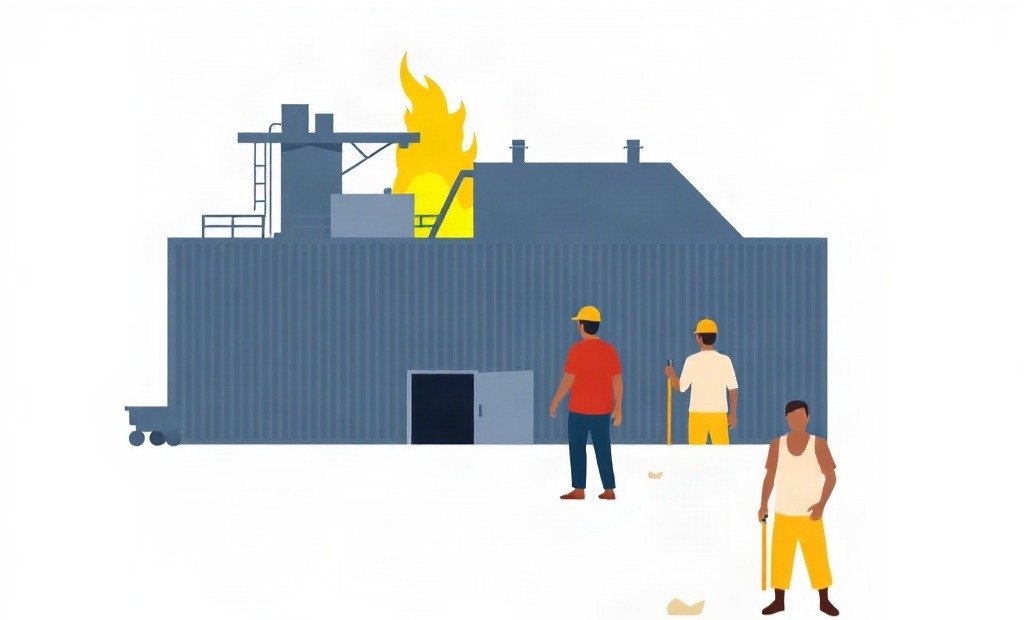
    Charan, a 33‑year‑old contract worker from K Shettihalli in Maddur taluk, fell into a hot water pit at Mysore Sugar Factory (MySugar) in Mandya district on September 3, was taken to K R Hospital in Mysuru and died on Tuesday; his family, relatives and villagers protested outside the plant, accusing management of negligence, prompting tight police security.

    Charan had been employed on a contract through a private agency for eighteen months. After his death, his relatives and villagers from K Shettihalli organized a dharna outside MySugar, with several organisations joining the protest, and police deployed tight security around the site.

    In a separate incident in Yadgiri district, a suspected sulphur dioxide leak at a factory in the Kadechur‑Badiyal Industrial Area on Tuesday morning caused three deaths and two injuries. The deceased were identified as Katla Ganesh, a migrant worker from Mahabubnagar district, Telangana, and Vikram Singh Gonda and Sanjay Singh Gonda from Katni district, Madhya Pradesh. The injured, Manchala Hemanth and Manchala Shivakumar, both from Anantapur district, Andhra Pradesh, are under treatment at a hospital. The leak led to the suspension of factory operations. Yadgiri Superintendent of Police Prithvik Shankar said, “In the early morning hours, a chemical, likely to be sulphur dioxide, leaked, leading to the death of three workers. Two workers were admitted to Raichur Medical Hospital.”

  • Minister Yatindra Siddaramaiah urges timely rollout of ಚಿತ್ರ ನಗರಿ (Film City) in Mysuru

    Minister Yatindra Siddaramaiah urges timely rollout of ಚಿತ್ರ ನಗರಿ (Film City) in Mysuru

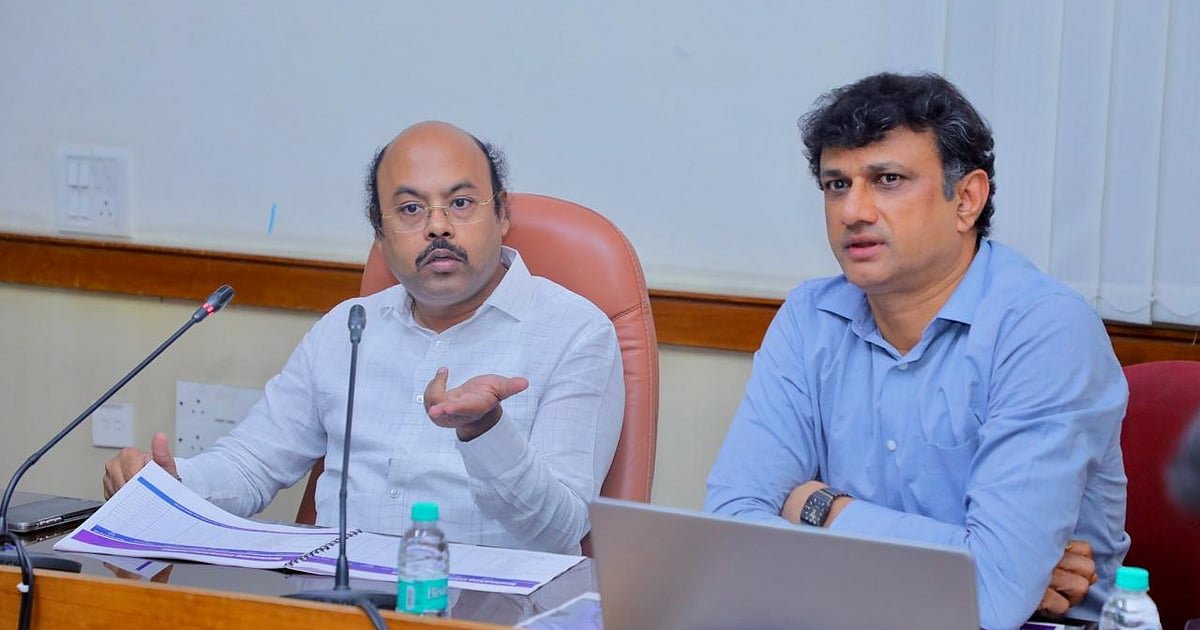
    Minister Yatindra Siddaramaiah instructed that the ಚಿತ್ರ ನಗರಿ (Film City) project near Immaavu in Nanjangud taluka of Mysuru district be executed on a public‑private partnership (PPP) basis without delay, with regular updates on each phase, progress and challenges, after a progress‑review meeting held on Tuesday at Vikasasoudha in Bengaluru.

    He said the international‑standard ಚಿತ್ರ ನಗರಿ (Film City) will not be limited to shooting alone but will house world‑class studios, advanced technical infrastructure, post‑production facilities and a full suite of services needed by the film industry, giving a fresh impetus to Mysuru’s cultural, economic and tourism growth.

    Mysuru District Collector G. Lakshikanta Reddy participated online, while officials from the Department of Information and Public Relations – Secretary J. Manjunath, Additional Secretary M. J. Sintha and Joint Director Manjunatha Dolli – were also present.

  • Mysuru Teacher Assault Leaves Student with Eye Blood Clot

    Mysuru Teacher Assault Leaves Student with Eye Blood Clot

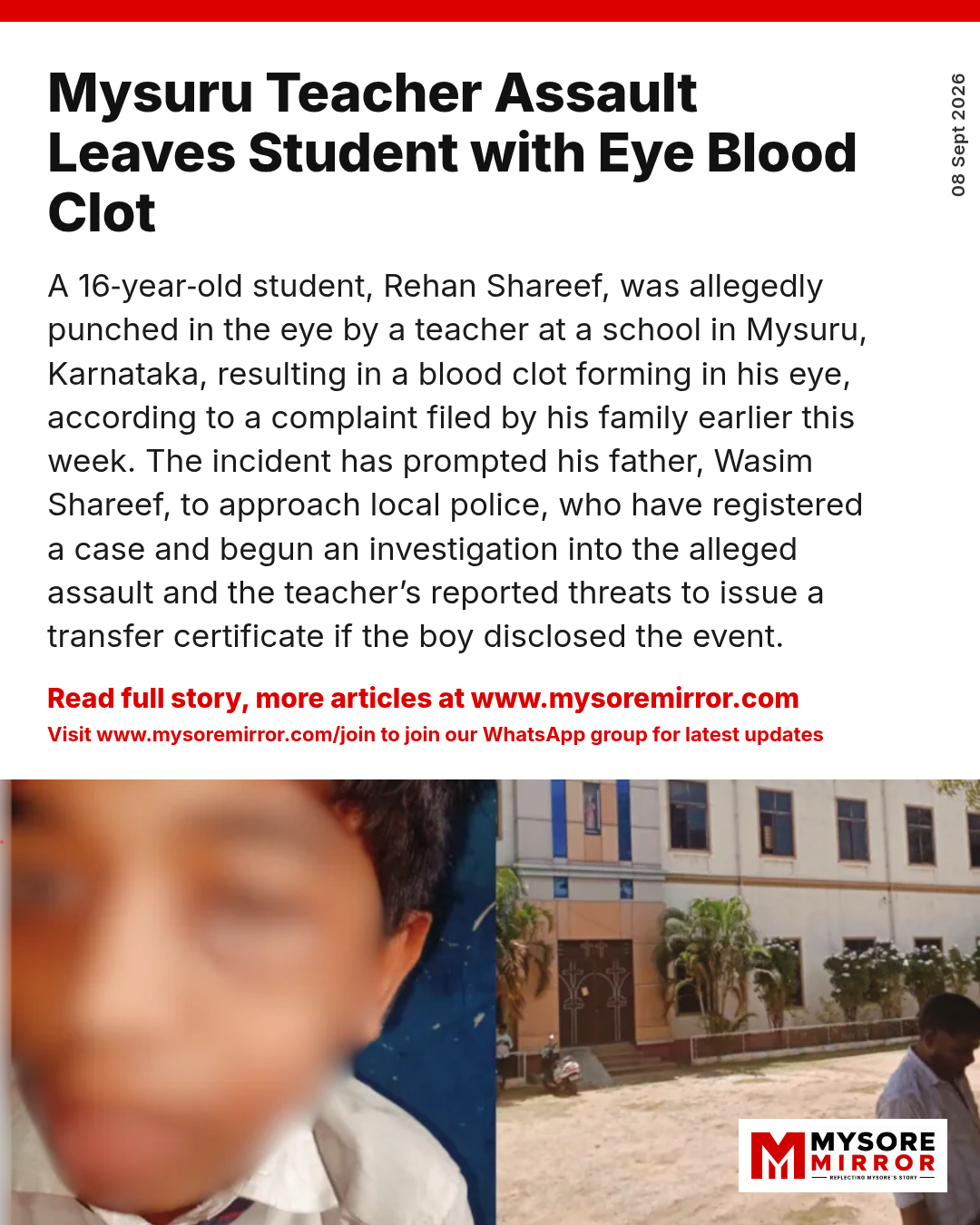
    A 16‑year‑old student, Rehan Shareef, was allegedly punched in the eye by a teacher at a school in Mysuru, Karnataka, resulting in a blood clot forming in his eye, according to a complaint filed by his family earlier this week. The incident has prompted his father, Wasim Shareef, to approach local police, who have registered a case and begun an investigation into the alleged assault and the teacher’s reported threats to issue a transfer certificate if the boy disclosed the event.

    Rehan’s father, Wasim Shareef, told police, “I never imagined a teacher could harm my son in such a way. He threatened to remove my son from school if we spoke about it, and I could not let that happen.” He added that his son is now out of danger but remains under medical observation.

    A police spokesperson confirmed that a formal FIR has been lodged and that investigators are collecting statements from witnesses, school staff, and the teacher in question. “We are treating this matter with utmost seriousness and will ensure that due process is followed,” the officer said.

    The school has not yet released an official comment. However, a senior teacher, who asked to remain anonymous, said, “We are shocked by these allegations and will cooperate fully with the investigation to uncover the truth.”

    Legal experts note that if the teacher is found guilty of assault and intimidation, he could face criminal charges under the Indian Penal Code, including sections related to causing grievous hurt and criminal intimidation. The case remains under active investigation.

  • Vendors at Mysuru Dasara Food Mela Reject Lottery-Based Stall Allocation

    Vendors at Mysuru Dasara Food Mela Reject Lottery-Based Stall Allocation

    The Mysuru Dasara Food Mela Vendors’ Association has expressed opposition to the proposed lottery system for allocating stalls at the upcoming food mela. In a press conference held in Mysuru, association president S. Nagaraju urged the Mysuru Dasara Food Mela sub-committee to reconsider the lottery system and prioritize vendors who have been participating in the event continuously for the past 15 years.

    According to the association, some applicants have submitted multiple applications under the names of their relatives to increase their chances of selection under the lottery system. This move could disadvantage genuine vendors who have submitted single applications, said Shantha M., the association’s vice‑president. Last year, around 160 stalls were allocated, including 50 to 60 non‑vegetarian stalls.

    This year, the number of applications has exceeded 500, with many applicants submitting multiple applications through their relatives. The cost of a vegetarian stall has been increased to ₹75,000, and a non‑vegetarian stall to ₹1 lakh, compared with ₹60,000 and ₹80,000 respectively last year. The application fee remains ₹300. The association has also requested parking passes for vendors setting up stalls at the food mela.

    Nagaraju also appealed for the stall fees to stay at last year’s levels, arguing that lower charges would enable vendors to provide quality food at affordable prices to visitors.

    The vendors’ association submitted a representation to the chairperson of the Mysuru Dasara Food Mela on August 31, urging the authorities to consider their demands favorably. Members emphasized that vendors who have been participating for the last 15 years have maintained the taste and quality of their food items, and therefore the sub‑committee should select vendors on its own and abandon the proposed lottery system.

  • Mysuru Dasara Preparations Begin While Official Website Remains Offline

    Mysuru Dasara Preparations Begin While Official Website Remains Offline

    As Mysuru prepares for Dasara, with the first batch of elephants arriving in the city, the official Dasara website (https://www.mysoredasara.gov.in/) remains offline. This has left tourists relying on third‑party platforms for information about the festival. Tourism stakeholders are concerned about the recurring issue and are demanding a reliable digital platform that provides authentic and updated information on Dasara programmes, ticketing, seating arrangements and other facilities throughout the year.

    Stakeholders note that the official site usually goes live only during the festival period and stays dormant the rest of the year, creating confusion because programme details and arrangements are often finalised just days before Dasara. “In the absence of a dedicated Dasara authority, different govt departments handle the arrangements. Since the final details are made available only at the last‑minute, tourists find it difficult to plan their visit,” said one stakeholder.

    Private websites and social‑media pages have already begun promoting Dasara events, but stakeholders warn that such platforms may not always carry up‑to‑date information. They stress that “Digital content about Dasara should not be created just for a few weeks. Govt needs a proper digital promotion strategy and should maintain the website throughout the year,” and they are also urging the district administration to utilise the rich archive to showcase Dasara worldwide.

    Mysuru Deputy Commissioner G Lakshmikantha Reddy assured that the official website would be operational within a week.

    SKAL International Mysuru president CJ Jayakumar said stakeholders have so far been kept out of the Dasara preparations. “We want a round‑the‑year website to showcase this event. Every year, the website becomes active for a few days and later becomes idle,” he said, adding that seating‑arrangement details should be announced well in advance to help tourists plan their visit. “So far, everything has been limited to statements,” he concluded.